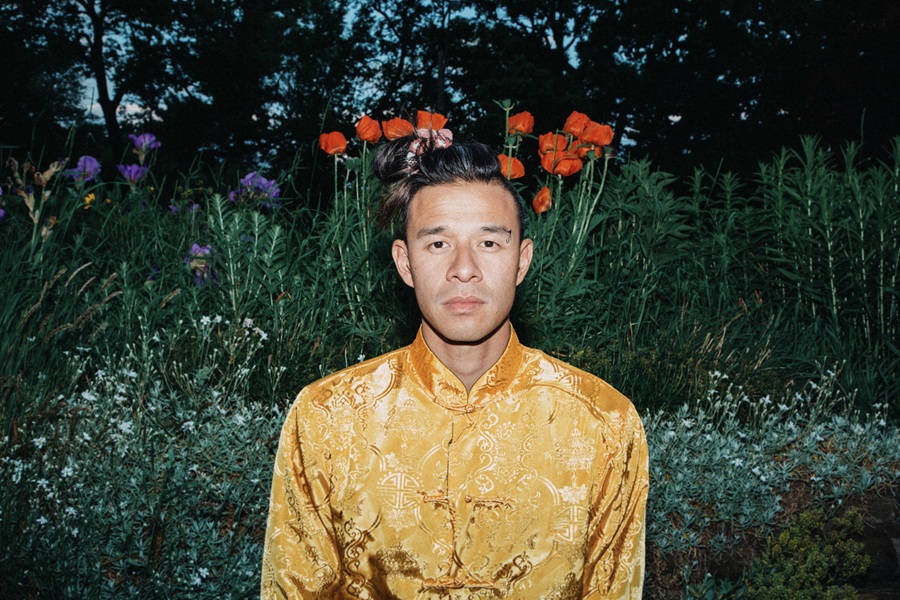
A utopian and dystopian film about a future with shorter lifespans captured seven Leo Awards on the weekend, including Best Motion Picture. Executive producer Ann Marie Fleming also took home Leo Awards for Best Direction and Best Screenwriting in the motion picture division for Can I Get a Witness?, which is a love story with a twist. In this world, climate change is under control, poverty has been eradicated, and the rights of other species are respected. However, in order to achieve this, all humans must agree to end their lives by the age of 50.
Ellie (played by Sandra Oh, also an executive producer) is preparing to be culled as her 18-year-old daughter, Kiah (Keira Jang), frets about being a “Documentor”. It opened last year’s Toronto Reel Asian International Film Festival.
In a statement on the film’s website, Fleming reveals that she began writing Can I Get a Witness? in the 2010s.
“I was living in the urban density of downtown Vancouver, a storm blew over 10,000 trees, the Canadian government had just raised the eligible age to collect a government pension, and there were discussions of semi-privatizing medical care,” Fleming writes on the film’s website. “I was finding myself filled with anxiety about everything from earthquakes and tsunamis to collapsing economies, and the disintegration of our social contract. Instead of a watch upon retirement, why not just give people a lethal injection?”
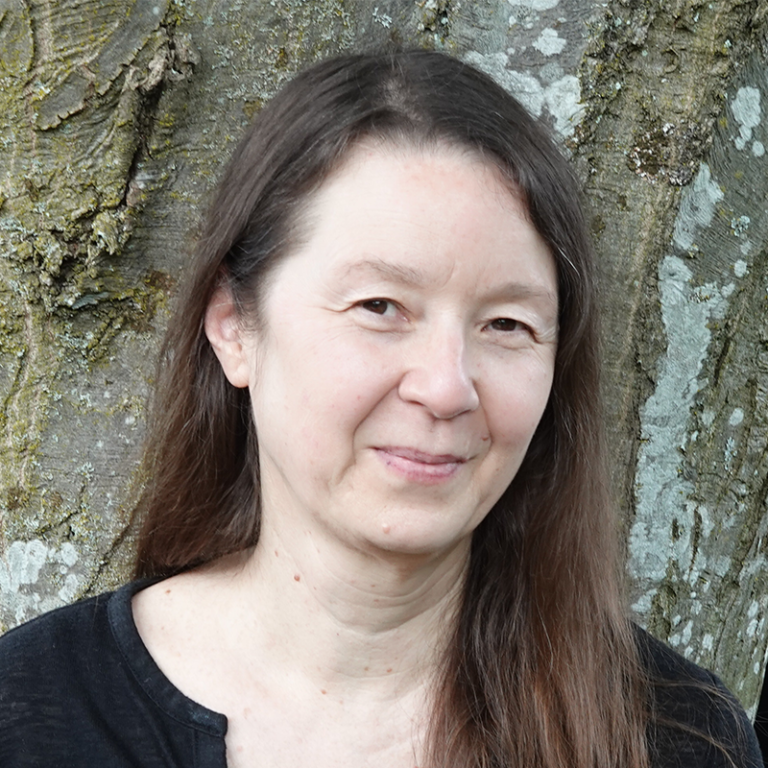
Witness received 11 nominations
Around this time, Fleming travelled to Powell River to teach filmmaking to teenagers. There, she noticed that young people “had absorbed the visual literacy of the culture around them” in a community with more space, no high-rises, and lacking conspicuous consumption.
“The question of what role teenagers could play in our society helped fuel the creative story of Can I Get a Witness? What if their art showed what was really going on under the surface?” Fleming notes. “Thus, the idea of ‘End of Life’ documentation drawings came to life, a way of showing what people are really feeling approaching death.”
Can I Get a Witness? also received Leo Awards in the motion picture division for Best Lead Performance (Keira Jang), Best Cinematography (C. Kim Miles), Best Musical Score (Brent Belke), and Best Casting (Tina Marie McCullough). The film collected four other nominations: editing (Justin Li), production design (Cheryl Marion), costume design (Angela Bright and Julie Edgeley), and sound in a feature-length drama (Kelly Cole, Karla Melendez, Daniel Cardona, Gregorio Gomez, Rylan Kerbes, Paradox Delilah, Chris Baker, and Kevin Belen).
For her role in Can I Get a Witness?, Oh won the Vancouver Film Critics Circle award for Best Supporting Female Actor in a Canadian film.
Fleming was born in Okinawa and has Chinese, Ryukyuan, and Australian ancestry. Her previous films include Window Horses and Blue Skies. She also wrote and directed The Magical Life of Long Tack Sam, which showed how her Chinese great-grandfather became a travelling vaudeville star in the early 20th century.
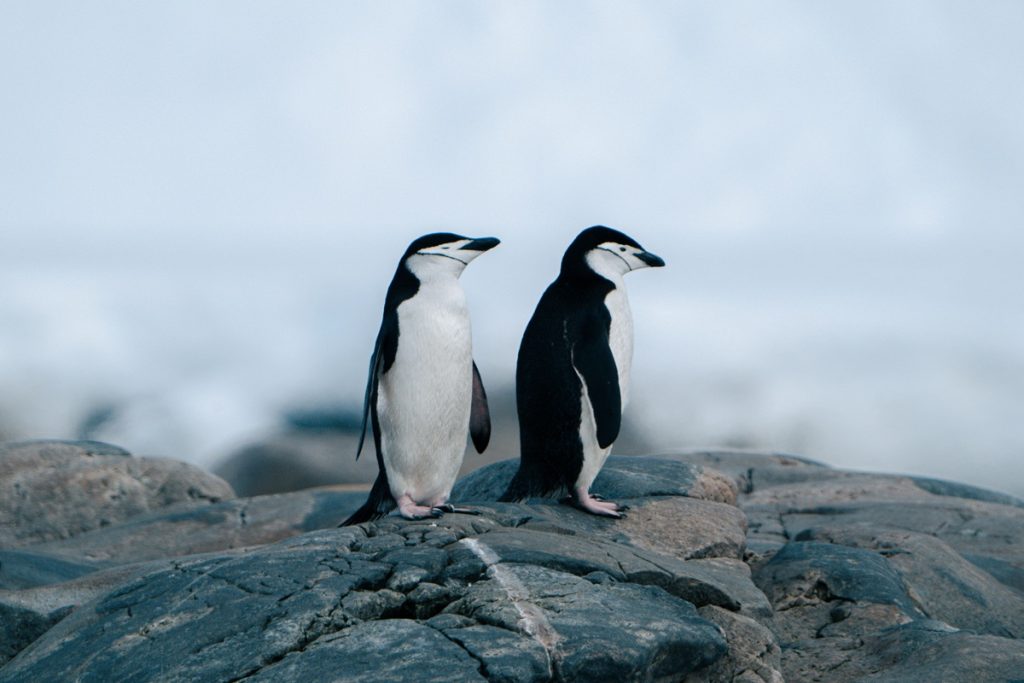
Nature film on sexuality and gender wins six Leos
Another big winner at the Leo Awards was “Animal Pride”, which examined the diversity of gender expression and sexuality in nature. It won Best Short Documentary and five other awards in this division. They included for screenwriting (Connel Bradwell and Erinn Drage), cinematography (Ryan Wilkes), picture editing (Danny Cox), sound (David Parfit, Nico King, Jay Cheetham, Malcom Owen-Flood, Prahlad Strickland, and Peter Robinson), and musical score (Kimmortal). Director Rio Mitchell was a finalist for Best Direction Short Documentary, which went to Brent Hodge for “Harder Better Faster Stronger”.
Meanwhile, Lowlifes won four Leo Awards in the television movie division, including direction for Tesh Guttikonda and Mitch Oliver. Cassandra Sawtell won the Leo for Best Supporting Performance Television Movie for Lowlifes. Boot Camp took home the Leo for Best Television Movie and Angela’s Shadow won for screenwriting (Steve Neufeld and Jules Arita Koostachin) and production design (Cheryl Marion).
“Astronaut” won the Leo as Best Short Drama, with the Leo for Best Direction Short Drama going to its director and co-writer, Kevin Cheng. It’s about a Chinese Canadian boy who’s visited by his absent father. Dad builds a spaceship out of cardboard to help his son connect with neighbourhood kids.
Resident Orca took home the Leo for Best Feature Length Documentary. One of the finalists, Saints and Warriors, won three Leo awards: Best Direction Feature Length Documentary (Patrick Shannon), Best Cinematography Feature Length Documentary (Michael Bourquin and Sean Stiller), and Best Picture Editing Feature Length Documentary (Hart Snider, Greg Ng, and Darian Lung).
Įk’ǫǫ̀ Inkwo for When the Starving Return also received three Leo Awards, including Best Animation Program. In addition, it won in this division for direction (Amanda Strong) and screenwriting (Bracken Hanuse Corlett and Richard van Camp).
More information
The full list of winners of Leo Award winners is on the website. Any program is eligible that credits a producer who is a resident of British Columbia. The Leo Awards define this as someone who is a Canadian citizen or has permanent resident status, or has maintained a residence in British Columbia for the 12 months preceding commencement of principal photography of the program entered for adjudication. Moreover, they must have filed their 2023 tax return in British Columbia.
Follow Charlie Smith on Bluesky @charliesmithvcr.bsky.social. Learn more about the communities that make up Canada on the Toronto Spark website. Find the Toronto Spark on Bluesky @torontospark.bsky.social.