As 2024 draws to a close, we’re highlighting memorable, thought-provoking, and entertaining quotes from the first full year of the Toronto Spark. We hope you take as much pleasure reading them as we had compiling them. Happy New Year!
Observations
“We are all students from the day we live to the day we die.”
— musician Zakir Hussain
“You never know what battle someone is fighting in this moment.”
— musician, writer, and TV host Christina Couture
“An oil spill is quite different from the CO2 emissions coming from our tailpipe because it’s visible. So, for us, this movie is really about the oil spill in the human body.”
— science journalist and Plastic People co-director Ziya Tong
“To me, it is important to share the good—to inspire hearts, to spur spirits—because that’s what humans are. Another big part of my artistic practice is to always surround myself with better artists than me in the hope that I can learn from folks who can enhance my work.”
— choreographer and performer Lua Shayenne
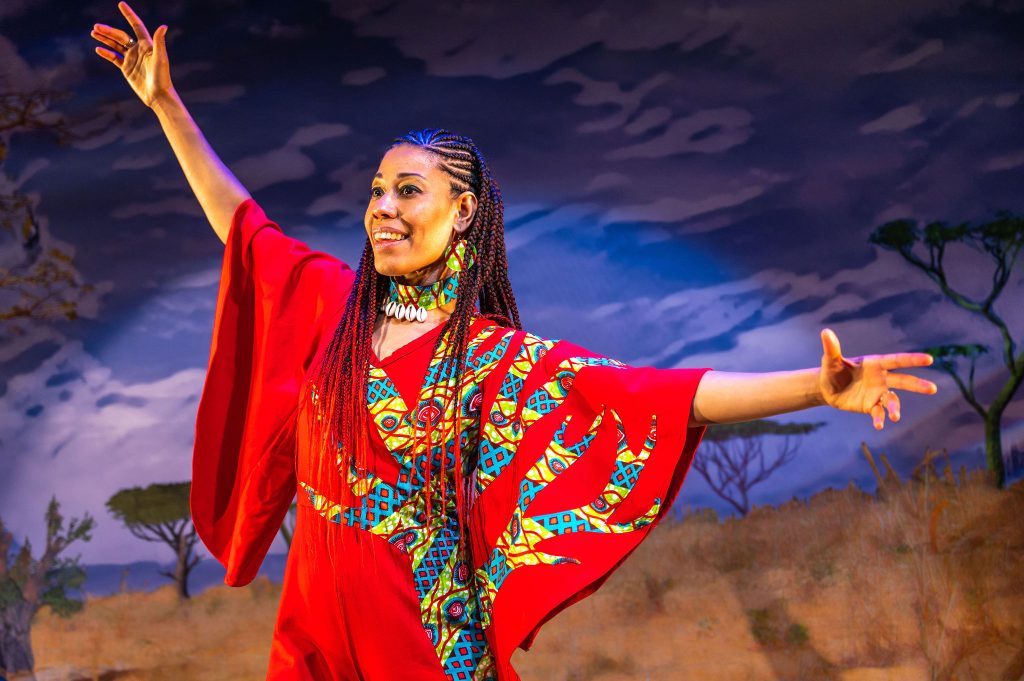
“We’re challenging ourselves, first of all, to really look at all these masks you wear, What mask do I put on to get out of bed? What mask do I put on to ride the SkyTrain every day, and what mask should I put on to run a rehearsal?”
— choreographer, dancer, and sound designer Sophie Dow
“I’m lucky to be doing well in many ways, but then I still have to meet all of that with hard work.”
— actor Howard Dai
“If you have a positive attitude about your obstacles, you’re probably going to have a better and more interesting life.”
— choreographer Denise Fujiwara
“Poetry shouldn’t just be written for the person who can analyze it.”
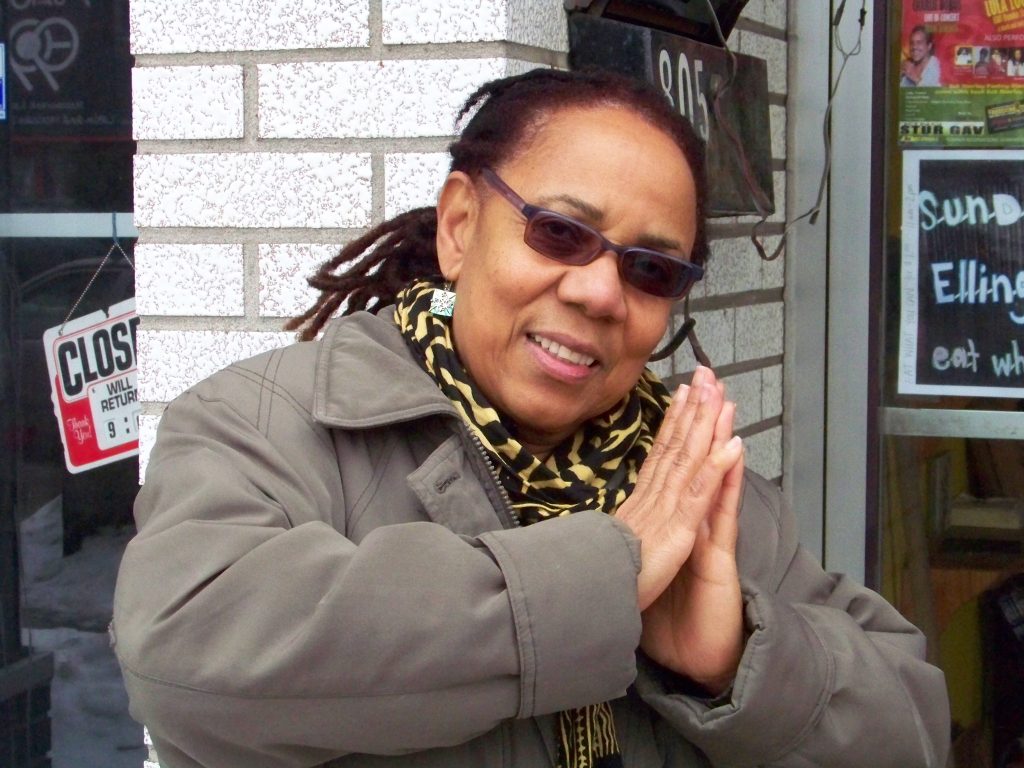
— dub poet Lillian Allen
On artistic expression
“We say that flamenco is a way of life. It’s not just when you are on-stage. It is how you live.”
— performer Tamar Ilana
“Even for me, as a professional artist, there will be many failures along the way. So, if I can provide a safe space for a student to fail, I think that’s really great. It gives them a chance to learn and grow.”
— musician, songwriter, and educator Jacqueline Teh
“A folk tune should be open to regional interpretations. It can be modified.”
— musicologist Szu-Wei Chen
“My brain does seem to process information a little bit differently. But I see that as a strength.”
— autistic filmmaker Elizabeth Lazebnik
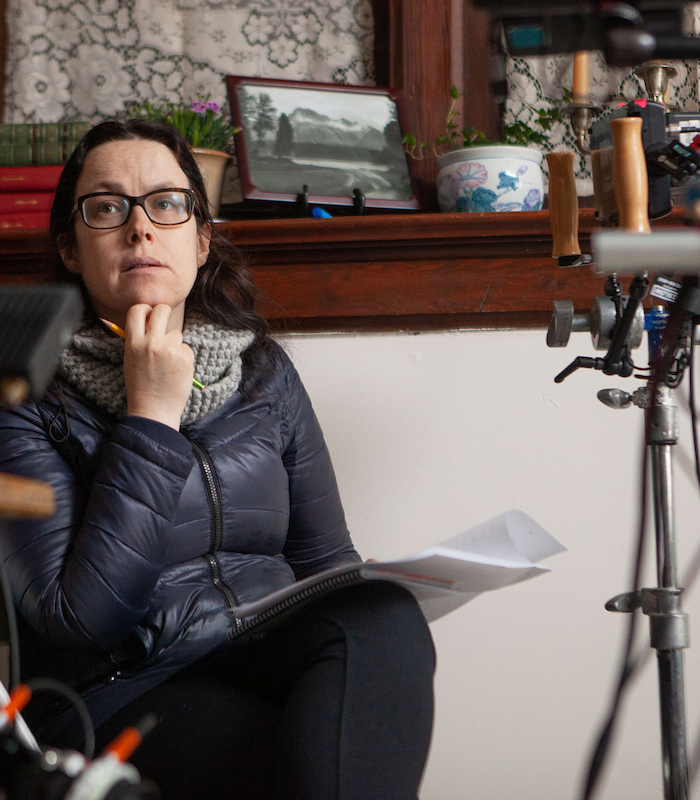
“Over the past year, I’ve been exploring my own identity as a more masculine-presenting Queer person. And I really wanted to use that character as a way to explore the idea of being brown and butch—how those two things can exist together.”
— playwright Lee Nisar
“But we are here; we have been here; and we are not going to go anywhere. My mission as an artist is to centre our joy and our hope and our love because we need to see it.”
— filmmaker Fawzia Mirza
“Yes, I am of Asian descent and I am highly influenced by my background, my heritage, all those things. But when I think of the work that I like to make, I like to leave space for interpretation.”
— choreographer Yvonne Ng
“One of the things I like about being a dancer is we build our muscles in this aesthetic way from a young age.”
— dancer Eric César de Mello da Silva

“I feel like I’ve always been trying to talk to myself through my music. This is how I really want to solve my own personal feminine energy. And how I do this is not just by talking to a motherly figure or in soft, patronizing voices in my head. It could be something as simple as connecting to your body.”
— singer Serrini
“I always thought, ‘That’s very peculiar how someone can have such a beautiful piece of music come to them in his dream.’ ‘Destiny’ was one of the first ones where that happened for me. It was really surreal.”
— singer-songwriter Daniel Lew
On inclusion
“Once people are able to relate to a certain person, or find a connection to them, then it’s easier for them to become allies. That’s why it was important to me to get people to root for these characters both individually and as a couple. Because I feel like that’s going to translate to real-world allyship.”
— director Samantha Lee
“I started realizing that a lot of the literature that I read and was exposed to was very Eurocentric and really focused on the western canon. Despite the fact that I am bilingual and grew up bilingual—and have been exposed to Chinese literature since I was quite young—it wasn’t really being taught in the classroom.”
— poet, writer, and translator Yilin Wang 王艺霖
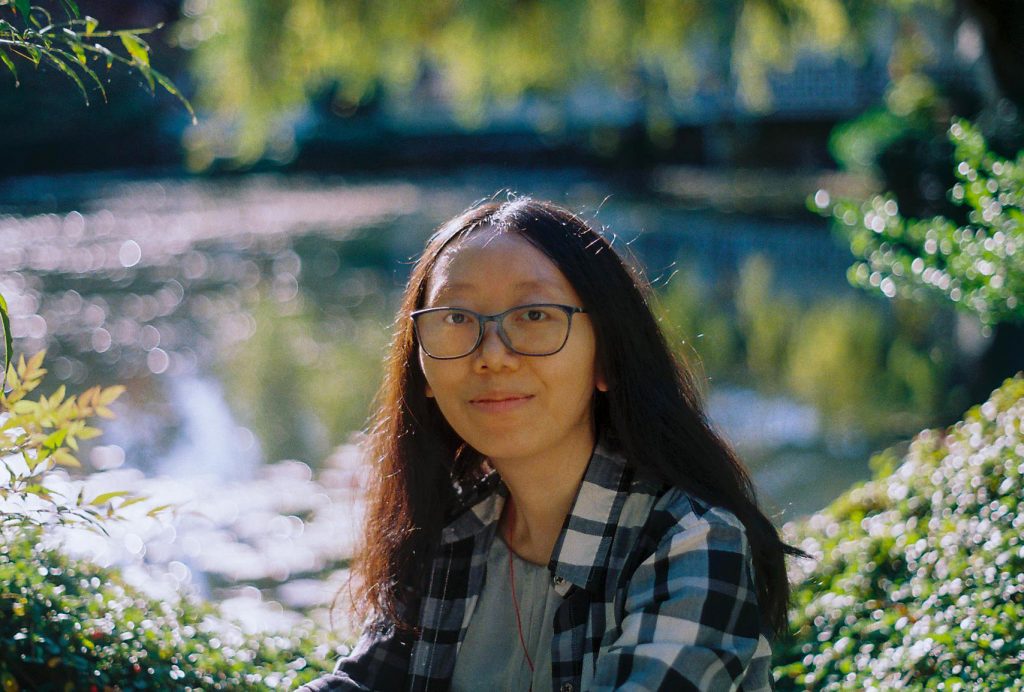
“I’ve been told outright by jury members for some awards shows that my nominations were for diversity. Whether that is true or not doesn’t feel good. And it’s insulting and condescending to Indigenous peoples, I think, to simply nominate someone because it hasn’t been done yet, or because of who directed the show. I’ve seen brilliant performances by Indigenous actors who weren’t nominated, for shows that just didn’t get seen because the director wasn’t Martin Scorsese.”
— actor Carmen Moore
“Canada is a predominantly Caucasian society, And, you know, there’s always this feeling of ‘people just don’t really get it’—or perhaps they don’t want to get it because it’s uncomfortable.”
— musician Chynna Lewis
“I had to be somebody else for people to kind of pay attention to me. I’m discovering at this stage of my artist trajectory, I should have been more authentic to myself all along.”
— musician Scott Hsu
“When you were Indian in the ’80s and ’90s, you either took on white culture or Black culture to survive. You were not accepted as being Indian back then.”
— filmmaker Bobby Singh Brown

“In Lilium’s music, we are trying to imagine a world in that every culture is actually equal—which means every musician would just think, ‘Why not put my music with this neo-soul or with this punk rock?’ ”
— musician Lin I-Shuo
“If you don’t have a friend and if you don’t speak the same language, maybe you have more anxiety.”
— choreographer and dancer Naishi Wang
“There are Chinese people today that can race their ancestry back to the Kaifeng community, which is interesting. In recent years, I think a number of them have actually made Aliyah and moved to Israel. And some of them are in the process of conversion.”
— author Richard Ho
“I always tell people that I grew up in a different time. We lived in log cabins. We had no electricity and no running water. So, we lived by candlelight.”
— artist Jerry Whitehead

“We’re not afraid to be critical of the police. But at the same time, we want to be aspirational about what policing could be.”
— Allegiance creator Anar Ali
“For the CBC, this is their first Sikh Punjabi family hourlong drama we’ve had air on a Canadian network.”
— actor Sabrina Wraich
“I think a lot of people also tend to flatten ‘Asian’ into kind of a monolith.”
— poet Grace Kwan
“Imagine how crazy family reunions were because my grandfather would speak to my dad in Hokkien. My dad would speak to my grandma in Hokchew. My grandmother would speak to my mom in Cantonese. I understood all of the dialects; I just couldn’t really speak any of them. And if we wanted to communicate as a group, we all had to speak in English, so it was definitely not that straightforward.”
— musician Eunice Keitan
Follow the Toronto Spark on X @TOSparkOfficial. Follow Charlie Smith on Bluesky @charliesmithvcr.bsky.social.