The vast majority of Canadians don’t give a lot of thought to how aluminum is produced. But the issue of aluminum exports to the United States has suddenly become a hot issue in light of the Trump administration’s decision to impose a 50 percent tariff. It has had a devastating impact on Canadian aluminum producers, whipping up public sympathy for their plight.
But how would Canadians feel if they knew that this same industry has wreaked havoc on Indigenous ways of life in northwestern British Columbia? That’s the subject of a powerful documentary, Nechako: It Will Be a Big River Again, produced by Lantern Films and Experimental Films in a co-production with the National Film Board of Canada.
The director, Lyana Patrick, is a member of the Stellat’en First Nation who also has Acadian and Scottish ancestry. She ably documents the Stellat’en and Saik’uz First Nations’ 70-year fight to persuade an aluminum corporation to release more water from behind its dam into the Nechako River.
It’s a complicated story that began in the late 1940s. That’s when the B.C. government invited Alcan to build the Kenney Dam in northwestern B.C. to generate electricity to produce aluminum.
In 2007, a British-Australian multinational, Rio Tinto, took over Alcan. Five years later, it won permission from the province to complete a second tunnel to divert water. Now, Rio Tinto Alcan sells its surplus electricity to B.C. Hydro, which exports power to the United States.
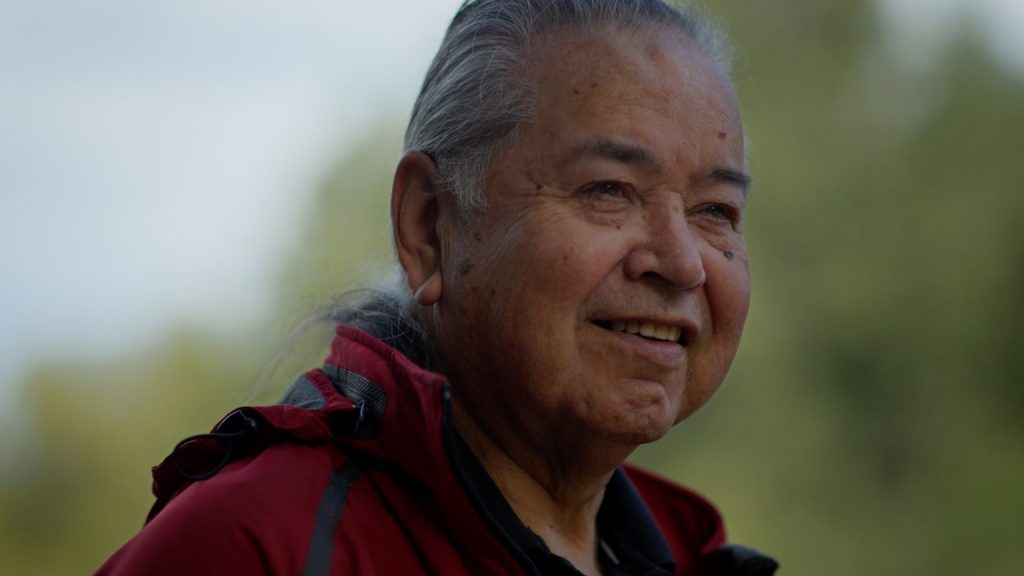
Ex-chiefs led the fight
The effects of water diversions are clear to see. Isaiah Reynolds, fisheries coordinator for the Stellat’en First Nation, tells Patrick that 2024 was the worst year on record for salmon in the Nechako River.
According to Reynolds, there used to be 1.5 million fish passing through on their way to the spawning grounds. Last year, the number shrivelled to a mere 6,500. So much for Indigenous fishing rights as B.C. copes with a record drought.
Patrick reinforces the story with spectacular imagery of the area, capturing the splendour of the river basin and the magnitude of the Kenney Dam. She vividly shows what was lost when Alcan built the largest earth dam in the world in the 1950s. In effect, the corporation reversed the direction of some of the Nechako River from east to west by discharging water into the Kemano River, where it flows into the Pacific Ocean.
The director also introduces viewers to two former chiefs, her father Archie and Jackie Thomas of the Saik’uz. They have valiantly struggled for decades to bring back water that supported the salmon so crucial to their way of life.
“You were always promoting negotiation rather than litigation,” Jackie chides Archie with a good-natured laugh.
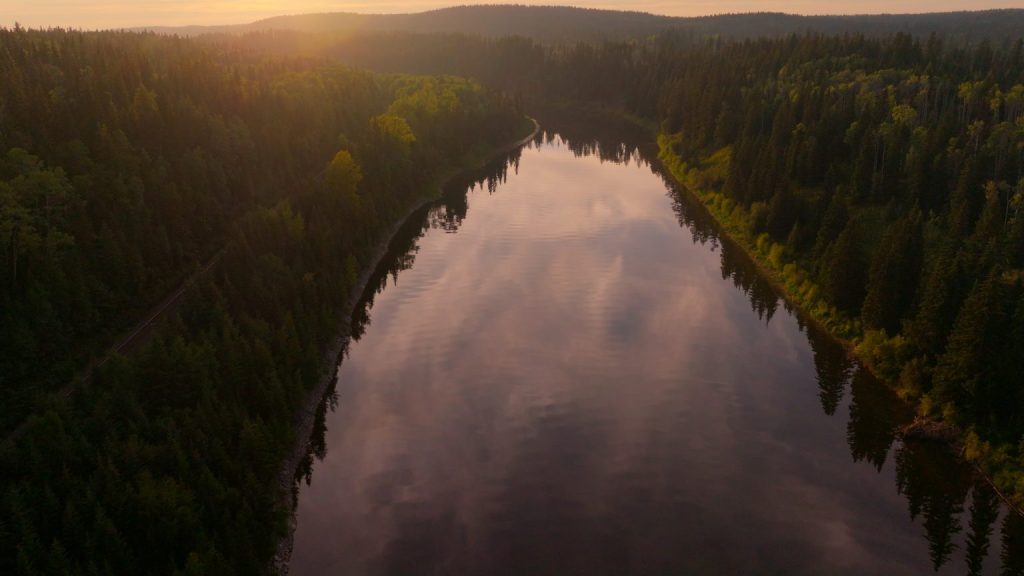
Film will have its Ontario premiere
The fiery matriarch takes pride in being the “bad cop” to Archie’s “good cop”. But in the end, Archie supported litigation with great determination after the aluminum giant refused to bend.
Nechako: It Will Be a Big River Again is chock full of personality. Moreover, the file footage offers a stark reminder of what industrial interests got away with in a bygone era when Indigenous voices were silenced and there was no free, prior, and informed consent. And Patrick’s deft handling of legal issues reveals what happens when small First Nations try to hold a giant corporation accountable under section 35 of Canada’s Constitution Act, 1982.
Patrick received an honourable mention for the Colin Low Award for Best Canadian Director after her film had its world premiere earlier this year at the DOXA Documentary Film Festival in Vancouver. She was also a nominee for the Sustainable Future Award at the Sydney Film Festival.
The Planet in Focus International Environmental Film Festival will present the Ontario premiere of Nechako: It Will Be a Big River Again on Tuesday (October 21) at the Paradise Theatre in Toronto. Director Lyana Patrick will be in attendance. That will be followed by screenings at the Windsor International Film Festival on November 1 and the Guelph Film Fest, which runs from November 7 to 15.