For the late Margaret Harris, song and dance were about so much more than performance. As the co-founder of Dancers of Damelahamid, the Cree-Gitskan icon saw these artforms as a means of reviving Northwest Coast Indigenous culture, which Canadian authorities had suppressed through the Potlatch Ban.
In 1967, Harris formed the Indigenous troupe with her late husband, Chief Ken Harris. In 2003, the couple passed the leadership torch to their daughter, Margaret, who spearheaded spectacular performances, earning her the 2020 Walter Carsen Prize for Excellence in the Performing Arts.
A year before Harris’s death in 2020, she and her husband were inducted into Encore! Dance Hall of Fame.
“My mother was a very strong individual,” Grenier, executive and artistic director of Dancers of Damelahamid, tells the Toronto Spark by phone. “I think she always really pushed us in life to offer our best, especially when it came to our practice. She wanted us to be very clear in doing things in not only just the right way, but in a good way—in a way that really strengthened ourselves and ensured that we were honouring our training.”
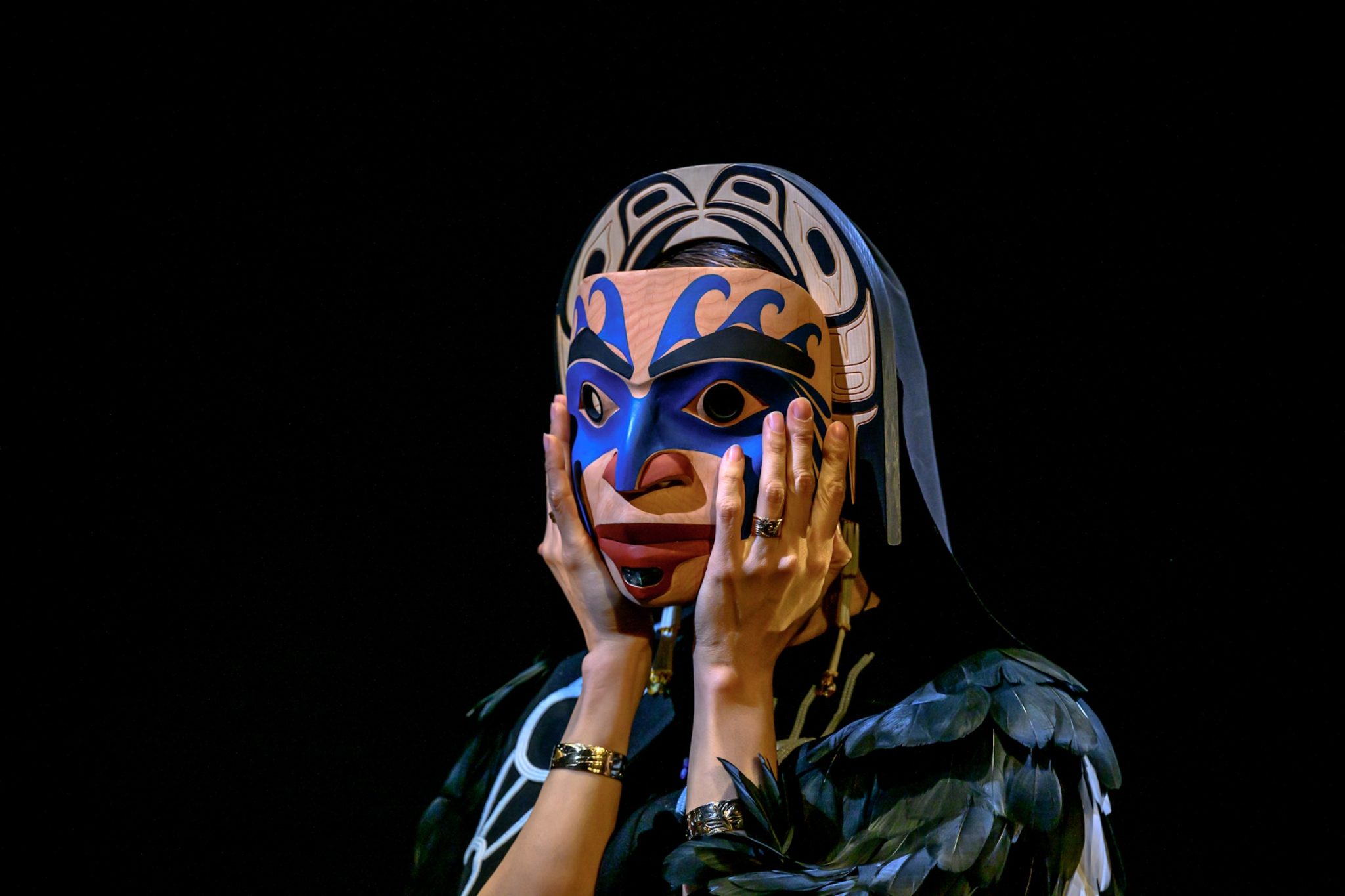
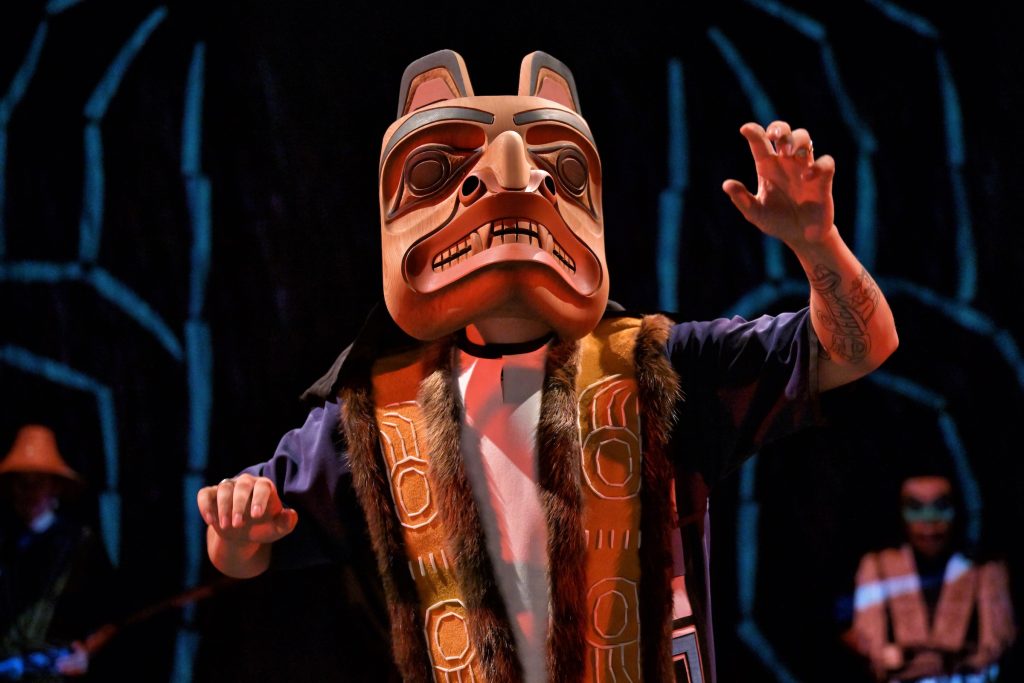
On November 29, DanceWorks will present the Toronto premiere of Dancers of Damelahamid’s multimedia production of Raven Mother at Harbourfront Centre. Grenier and her team began creating Raven Mother not long after Harris’s passing at the age of 89.
“We work in all the different elements of song and dance, regalia-making, and the carvings,” Grenier says. “Everything comes together and it’s all very intricately connected to the core narrative.”
Family honours Grandma Harris
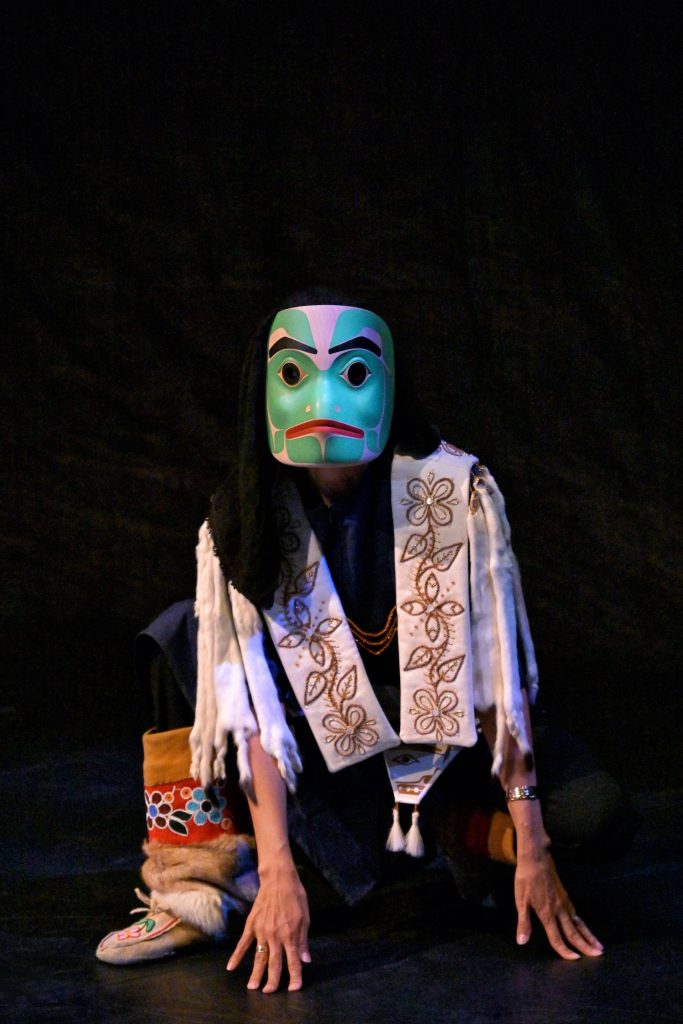
In two visually resplendent shows, Harris’s family members will demonstrate their love, respect, and admiration for the matriarch who worked so diligently on behalf of the Gitskan people. Grenier and fellow performers—daughter Raven Grenier, son Nigel Baker-Grenier, daughter-in-law Rebecca Baker-Grenier, and niece Tobie Wick—offer an authentic and dazzling exploration into the traditions of the Raven Clan.
The Raven carries huge significance in Northwest Coast culture. Known as the “keeper of the secrets”, the Raven is a truth teller, healer, transformer, and mischievous and shape-shifting trickster.
“For me, there is a real strong sense of identity that comes with the Raven crest,” Grenier says. “It resonates very strongly within this piece because it resonated so strongly with what my mother offered us.”

Grenier expresses appreciation to Rebecca Baker-Grenier for her care and attention in designing and creating the regalia. Baker-Grenier is a rising Indigenous fashion star who has been featured twice in Vogue magazine. She also made Elle Canada’s list of “5 Indigenous Fashion Designers You Need to Know”.
“It’s beautiful what she created,” Grenier says. “Something that’s also very sweet is my mother herself—even in her later years—still wore her heels. I think she would be quite happy.”
Grenier’s daughter Raven is Raven Mother’s song composer and vocalist. According to Grenier, Raven focused tremendous attention on archival materials to understand the structure of ancestral songs.
“I’m really proud of the work that she did,” Grenier states. “It is such an important way to ensure that these practices are carried forward with our young people.”
Harris becomes a matriarch
Grenier’s husband, Andrew, oversees the set design and artwork. In addition, Northwest Coast artists Jim Charlie, Kandi McGilton, and Dylan Sanidad contributed to the production. Legendary Tsimshian carver David Boxley and his son, David R. Boxley, created some of the masks.
“It’s beautiful to see what has all come together over these several years,” Grenier says.
As a child, Harris never could have imagined that she would become such a pivotal figure in the cultural life of northwestern B.C. She was born in the Great Depression in Churchill, Manitoba as a Métis member of the Cree Nation. She moved to Price Rupert as a young woman, where she met Harris.
In a 2019 Dance Collection Danse interview (see below), Harris said that when she married her husband, it became her duty to teach the culture. In this role, she was mentored by her mother-in-law because she knew so little about Gitskan traditions. According to Grenier, Harris was adopted into the Raven Clan.
“She was quite surprised by what was being asked of her by her mother-in-law,” Grenier says. “She really did it out of love for her children.”
Harris’s willingness to take on this task reflects her gift for lifting up others.
“She was just so open to this, beyond just song and dance,” Grenier emphasizes. “She fostered many children and she worked with women in the Downtown Eastside in Vancouver.”
Margaret Harris was interviewed as an Encore! Dance Hall of Fame inductee
DanceWorks will present the Toronto premiere of Dancers of Damelahamid’s Raven Mother at Harbourfront Centre. They will perform shows at 12:15 p.m. and 7:30 p.m. on November 29 at the Fleck Dance Theatre. For tickets and more information, visit the DanceWorks website. Follow the Toronto Spark on X @TOSparkOfficial. Follow Charlie Smith on Bluesky @charliesmithvcr.bsky.social.