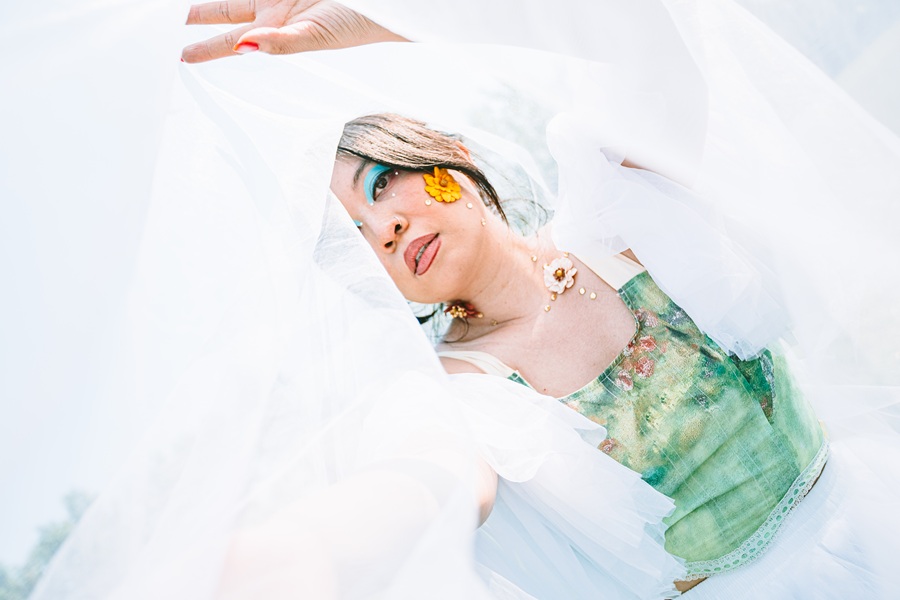
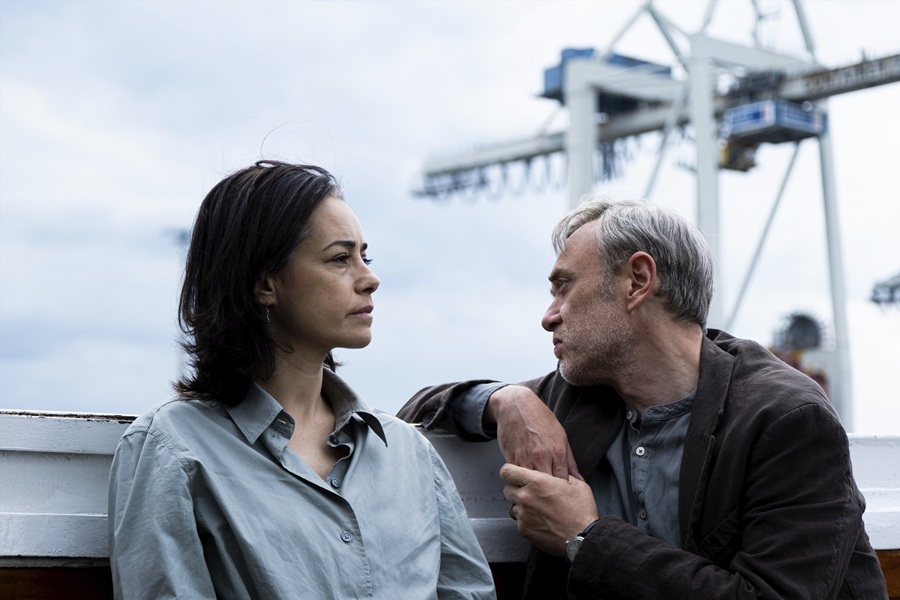
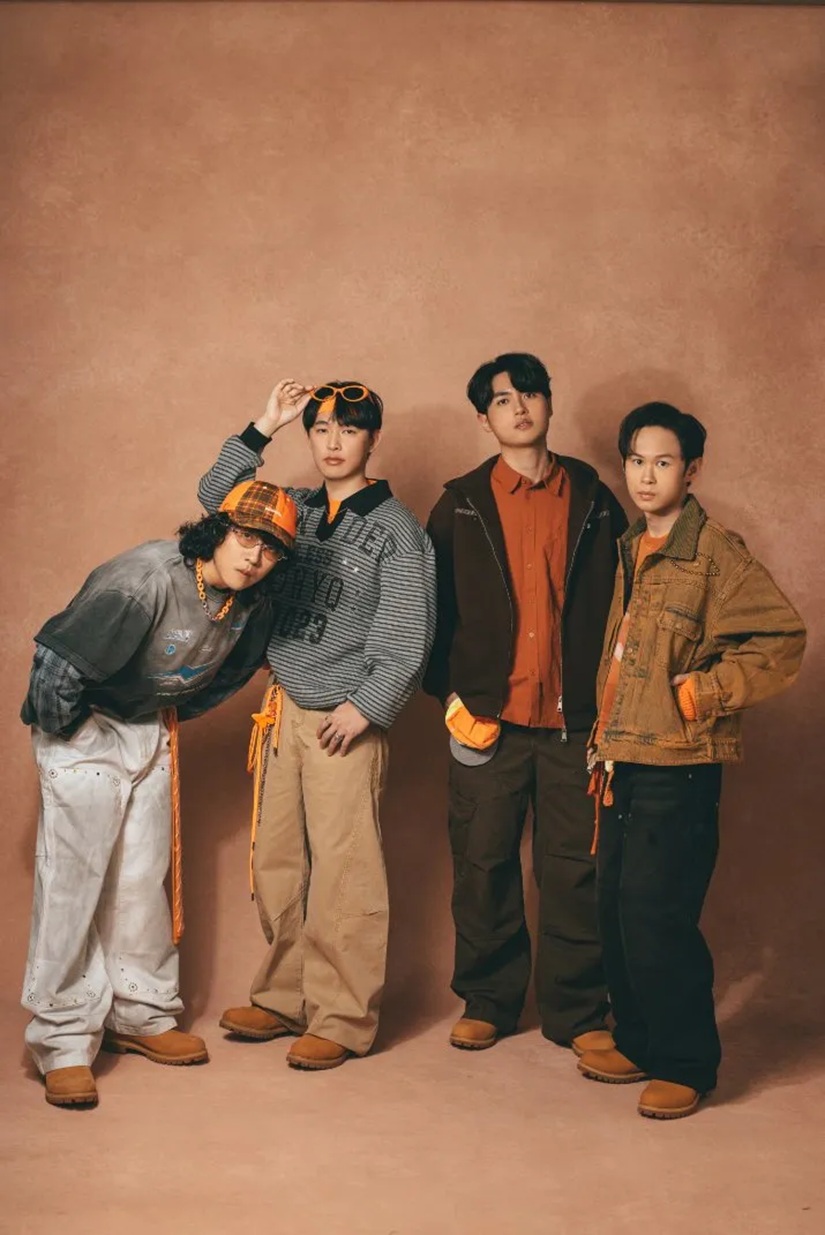
“Tears Burn to Ash” opens with eerie electronic music. Japanese Canadian Tammy (Veena Yamano) has just arrived in Tokyo from Canada, appearing completely lost. When she asks for help, passersby wave her off as if she were a panhandler seeking spare change.
Then, Tammy receives an urgent message from home telling her that she must return home immediately. Her obachan (grandmother) is on her deathbed, and for the next 12 hours Tammy is left wandering around the city. She soon realizes how completely out of place she is in a country where she physically resembles the people who live there.
Tammy stops first in a bar where an older male patron struggles to communicate with her in English. The female bartender fares a little better, but it’s clear that Tammy is not able to engage in more than surface-level conversation.
When Tammy mentions that her Japanese heritage is in Mio in Wakayama Prefecture, it draws a blank from the older man. Mio is the ancestral home of many of the early Japanese migrants to B.C. Therefore, it makes sense that Tammy, as a Yonsei (fourth-generation), would have this lineage.
Similarly, Tammy strikes out when she mentions that her Canadian-born grandmother, who was incarcerated in Canada during the Second World War, ended up in Japan after hostilities ended.
“It’s complicated,” Tammy says.
Japanese Canadians know why some Canadian-born internees were sent back to Japan and then returned to Canada. But it’s lost on these Japanese citizens, who have no insights into this blight on Canadian history.
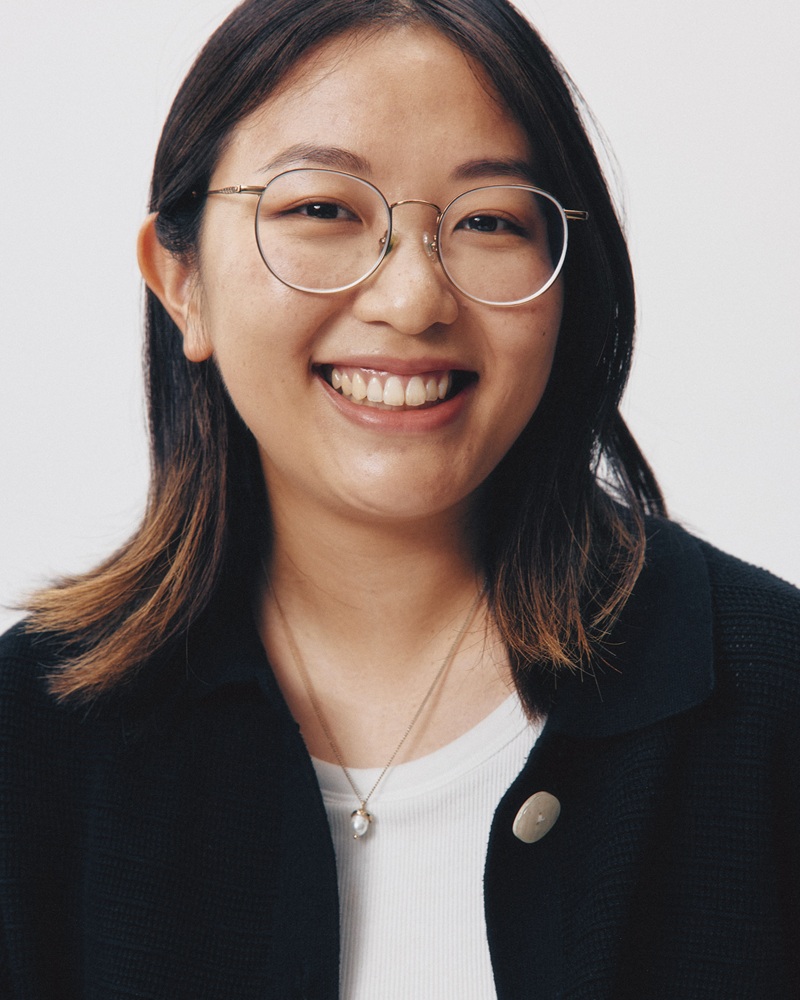
“Tears Burn to Ash” includes doppelganger
Like Tammy, the Vancouver writer, director, and co-producer of “Tears Burn to Ash”, Natalie Murao (“Blue Garden”), is a Yonsei.
“The character of Tammy represents the increasing distance that the diaspora feels with their home country—and as a result their cultural, linguistic, and social identity,” Murao says in her director’s statement. “This absence of identity is also due to the WW2 internment and the tremendous trauma and shame that previous generations before me experienced.”
Murao reveals that the story is inspired by a time when she was working in Japan. Murao met a student who appeared to be her doppelganger.
“It was a surreal moment that made me imagine an alternative reality where I was born in the homeland—a thought many others of the diaspora carry with them,” she states. “For me, I always doubt my ‘Japanese-ness’ due to being fourth generation.”
In the film, Tammy spots her own doppelganger, leading her on a fraught journey into the night. Murao says that she made the film “to show the diasporic condition and how it feels to ‘return’ to the homeland”.
Murao produced the film with her partner in No More Productions, Vancouver filmmaker Thea Loo (Inay [Mama]). Veron Xio’s original music works pairs beautifully with Kaayla Whachell’s tense cinematography to convey the angst of being a stranger in a strange land.
The phrase “tears burn to ash” refers to a stinging feeling in the eyes while crying. It can arise over the grief of losing a grandmother. But it can also be reinforced by the disconnectedness one can feel from their ancestral homeland, which the production team demonstrates so capably in this original film.
Screening details
The Toronto Reel Asian International Film Festival will present “Tears Burn to Ash” in its Shorts: Otherworlds program. It will be screened at 6:30 p.m. on November 8 at TIFF Lightbox Cinema 4. For more information about the festival, visit the website. Learn more about the communities that make up Canada on the Toronto Spark website. The Toronto Spark is on Bluesky @torontospark.bsky.social.